Q&A: Avid’s Matt Feury on State-of-the-Art Avid 4K Workflow
By Jim Bask

Speaking of HDR, how is HDR handled by Media Composer? We support it. We are agnostic to it. It flows through editorially.

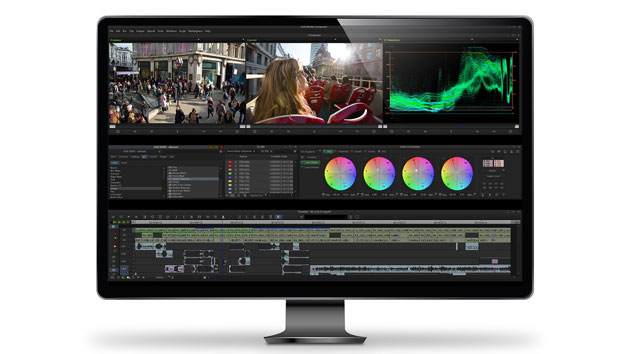
Speaking of HDR, how is HDR handled by Media Composer? We support it. We are agnostic to it. It flows through editorially.
 When we last wrote a blog compiling reviews of AV.io capture cards, AV.io 4K was only a month old and already getting lots of press for its impressive capabilities. Since then, AV.io HD, AV.io SDI, and AV.io 4K have all received significant firmware upgrades, and all three capture cards have become incredibly popular for their flexibility and easy-to-use features. For your convenience, we’ve used this blog post to assemble a list of some of the reviews. Enjoy!

Testing out the Epiphan USB 3.0 AVIO 4K video capture device at 60fps on the Tagarno microscope with X-Split.
 Level1Techs unboxes and does a quick test in a video of Epiphan’s AV.io 4K Video capture and how features how it works with Linux. This is a great way to get a feel for the product without having it in your hands.
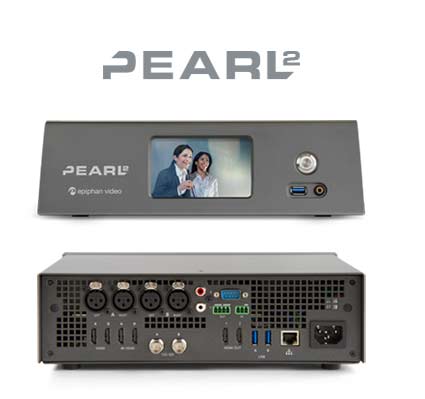
 Pearl and Pearl-2 form a lineup for formidable, full-featured all-in-one live video production systems. This page will help you select the one that works best for your based on your current and future video streaming and recording needs.
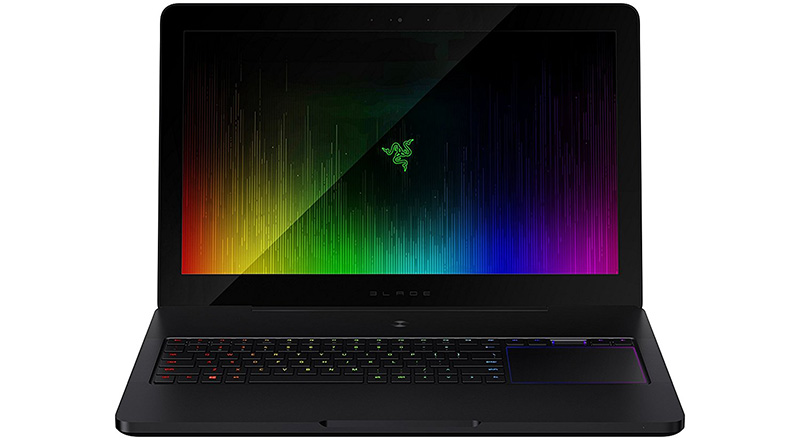

Hardware technology continues to move forward at a fast pace as the broad adoption of 4K acquisition makes the creative process and video editing, in particular, more demanding than ever before. Nowadays, editors need hardware that provides much more power and speed to be able to efficiently run high-end video editing software and handle those high-resolution media accordingly.
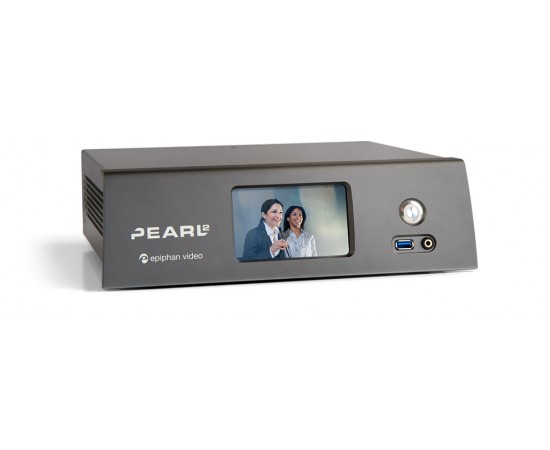
 We’ll be looking at a number of new capture and streaming appliances here in the coming months, as there has been a lot of interesting activity in this product space. To start with, we wanted to highlight a significant update to the Epiphan Pearl. We’ve raved about the Pearl in past posts, and it appears there is a lot to be excited about in its successor. In the move from the Pearl to the Pearl 2, Epiphan cranked up the power of its core processor so that in could introduce a number of new features all built around support for full 4k. With the Pearl 2, you have six HD video inputs that you can composite or crop into any number of configurable layouts, and you can output the results into 6 separate HD streams. That’s a powerful toolkit for anyone looking to do mobile video capture and streaming.
 Recently we’ve been working with RED and G-Technology to look at some of the issues surrounding working with greater than 4K resolutions. This time, we’re looking at workflows.
First of all, let’s look at why you might want to work in 8K.
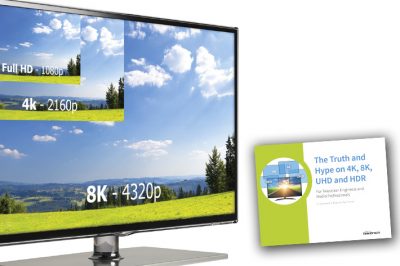
Jose Antunes of Provideo Coalition reviewed Paul Turner’s new ebook.
While many see higher resolutions as the sign of better image quality, the truth is that better pixels instead of more pixels may be the way to go. A free e-book entitled The Truth and Hype on 4K, 8K, UHD and HDR explains why.
Beyond 4K most viewers will never appreciate the detail on their TV screens, simply because while image resolutions on screen are unlimited, the human vision is not. So why do we keep running after a moving target like “more resolution”?
This insane quest has one culprit: marketing. Many TV manufacturers have been proclaiming that this will be the year in which higher resolution screens will become the norm. This is similar to what was said about higher frame rate sets a couple of years ago – even though at that time, the only video that could be watched at higher frame rates came from video gaming consoles.

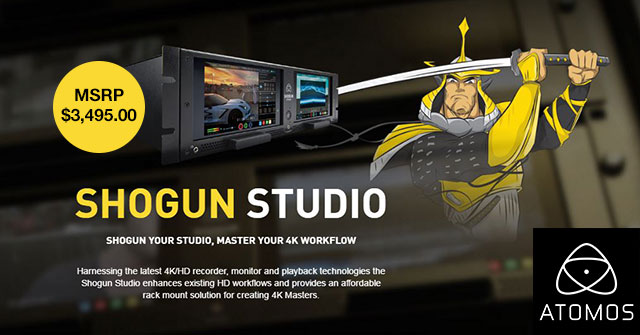
 Atomos Shogun Studio
Now In Stock!
Harnessing the latest 4K/HD recorder, monitor and playback technologies the Shogun Studio enhances existing HD workflows and provides an affordable rack mount solution for creating 4K Masters.